
Welcome to a new Wildcard Wednesday! This week, I’m diving back into the 20th century for a bit of Sitcom Archaeology. Oh, and I’m also paying tribute to Julie Andrews, who just celebrated her 91st birthday. In honor of the occasion, I watched her short-lived multi-cam from the early 1990s, Julie, or as one could call it, “Carol Burnett-Von Trapp Goes To Iowa.”

JULIE (May 1992 – July 1992, ABC)
Premise: A TV star moves her show to Iowa to live with her new husband and his two kids.
Cast: Julie Andrews, James Farentino, Eugene Roche, Hayley Tyrie, Rider Strong, Alicia Brandt, Laurel Cronin, Kevin Scannell
Writers: Madeline Sunshine & Steven Sunshine, Joe Guppy & Nancy Guppy, Lyla Oliver, Harry Cauley & Jenna McMahon (the first, unaired pilot came from Ruth Shatz & Irving Shatz)

Thoughts: Julie Andrews is an elite performer who could find success in any medium, including on TV and within the sitcom genre. Unfortunately, Julie made that nearly impossible. The problem isn’t conceptual. Actually, there’s quite a lot in this situation on which to grip, as the series adopts a quintessential MTM-ian work-plus-home design, all inside a broader fish-out-of-water premise. On the work front, Andrews plays a version of her pal Carol Burnett, star of a popular musical-comedy-variety series — which means, like Mary Richards, Frasier Crane, Rob Petrie and all those leads in MTM’s ancestral tradition, she works in media, with a workplace that includes its own ensemble. On the home front, she’s got a husband and two step-kids, making this one of ye old “non-traditional family” sitcoms. That’s a construct inherently affiliated with Andrews because of The Sound Of Music, where she also played a woman who slots into the mother role for kids whom she didn’t bear. There’s, naturally, a familiar domestic setup here with its own ensemble. And both halves of the situation all exist inside a pilot-established shakeup in the main character’s status quo, as she and her TV show move from Los Angeles to Sioux City. It’s a classic fish-out-of-water urban vs. rural clash — an element added to the premise after an initial pilot (called Millie), when new writers were brought in to redevelop the series. So, in addition to conflicts in the modified family and at work with the TV show, this Iowa move was another core tenet of the situation available to inspire weekly story. And never mind that we’ve seen all of this before in some form — every idea is nevertheless tried-and-true, with proven potential. This should make for simple, easy comedy, right?
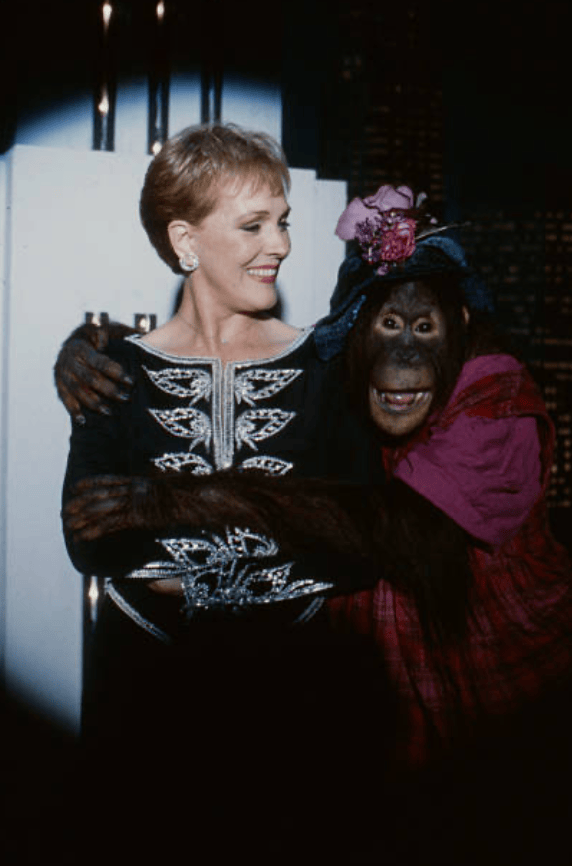
No. You see, Julie lets down its structure with some of the weakest, unfunniest writing of the 1990s, and, more to the point, a terrible understanding of character. It can’t really explore its situation in unique, amusing, or interesting ways because the elements actually upholding all these premised conceits — the regulars — are rote and/or vague. The kids are trite. The coworkers are stock. The husband is bland. And Julie herself has no personality. That last part — the lack of comedic definition for the main character — is the real problem. There’s so much there for her to engage with inside this situation — conflict with her step-kids and new husband, conflict in the making of a comedy show, and conflict from her move from the city to the country. But she’s never allowed to be anything but darling, charming, and plucky. A winsome anchor ready to meet any problem. This is not helpful for laughs or story, and it’s a contrast to other MTM-ian leads who seem like “straight men” to other larger personalities at first blush, but in practice prove unique in terms of perspective — able to drive comedic ideas because of their individualized reactions. (For instance, Rob Petrie is a conflict-avoidant bumbler; Mary Richards is a version of the same — with a need to learn how to assert herself that’s well-attached to her circumstances as a working woman.) Because Julie doesn’t give its brilliant star a way to be funny herself, the show ends up totally failing as a showcase for her. And it lets down the rest of its jam-packed situation. Stories are therefore forced to indulge clichés — like one terrible episode with a monkey. A monkey — the universally understood symbol of hacky sitcommery! In just six short weeks, Julie reached rock bottom. I’m glad this remarkably talented woman wasn’t forced to waste too much of her time here; it would never have risen to her level.
Episode Count: Six episodes produced, five of which were broadcast.
Episodes Seen: All six, plus an earlier unaired pilot called Millie.
Key Episode: #6: “Put Up Your Dukes” (Syndication Only)
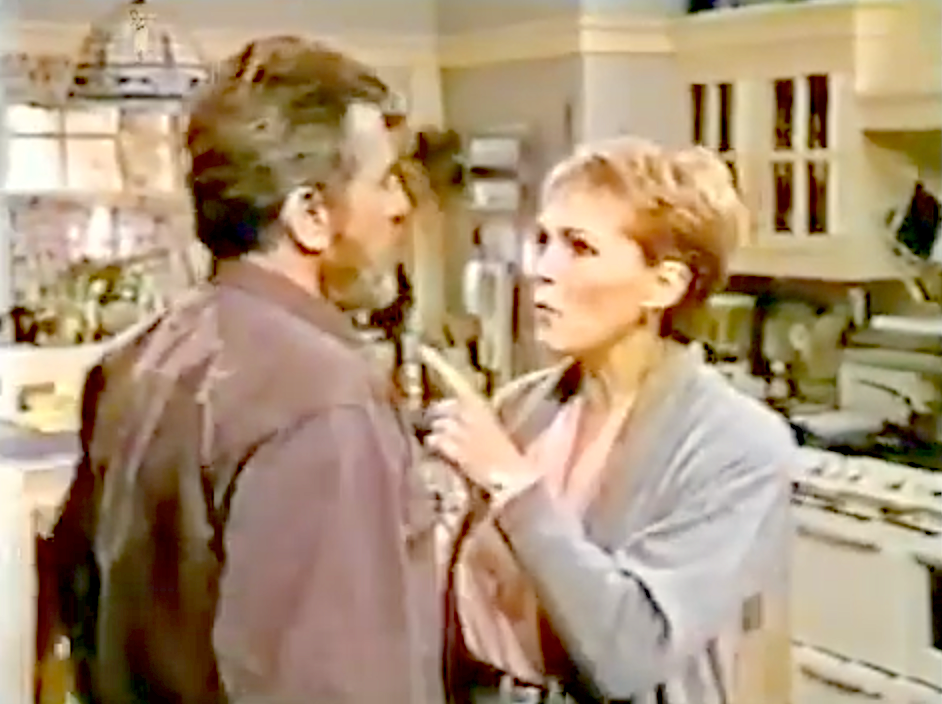
Why: This entry evidences the traditionalism of the series’ situation via a familiar Dick Van Dyke-ian story where Julie’s husband is offended by her show’s comedy sketch that mocks him.
Come back next week for a new Wildcard! And stay tuned Tuesday for more sitcom fun!